-
1573 Carroll St, Brooklyn, NY 11213
How Much Does Lintel Replacement Cost in NYC?
Nov 18, 2026
Replacing a lintel in New York City typically costs anywhere from $1500 to about $8,000 per opening, and the gap comes down to what sits above and around it. On a brick or stone facade in the city, you also pay for shoring, scaffolding, masonry rebuilding, an engineer, and DOB paperwork. One NYC-specific estimate for a stone lintel lands around $5,100, with a typical range of $3,600 to $7,200.
Lintel Replacement Costs by Opening Type
A lintel is the beam that carries the weight of the wall above a window, door, or other opening. Span and load decide the price, so each opening behaves a little differently.
|
Opening |
Typical cost |
What pushes it higher |
|
Window |
$280 to $640 nationally; $3,600 to $7,200 for stone on an NYC facade |
Upper floors, brick rebuild, stone |
|
Door |
Around $400 to $700 |
Wider span, heavier beam |
|
Fireplace |
Close to a door lintel |
Flue and firebox masonry |
|
Large wall opening |
$1,000 to $4,000 for a steel beam |
Load-bearing wall, engineering |
|
Portal or niche |
$500 to $2,500 to add or widen |
Arched or shaped masonry |
Window Lintels
Window lintels are the most common job and usually the cheapest because the span is short. The cost goes from roughly $100 to $640 for a basic replacement with easy access. In the city, the lintel itself is only part of the bill. The brick above it has to come out and go back in, and anything past the first floor needs scaffolding. Facade-level work in NYC commonly runs into the thousands per opening, which is what the stone lintel estimate above reflects.
Door Lintels
Doors need a wider span, so the beam is thicker and the price nudges up. Average cost for a door lintel goes about $400, and garage-size lintel repairs run $200 to $700. If a structural engineer needs to look first, that assessment adds around $340 to $700. Entry doors on older buildings often have a heavy wall above them, which means more temporary support during the swap.
Fireplace Lintels
In older NYC buildings, a fireplace opening is usually held up by a steel bar, an angle, or a masonry arch. The span is similar to a door, so the lintel itself is priced close to one. The real expense is the work around it. Mortar and brick near the firebox and flue have to be opened and rebuilt, and a mason averages about $70 an hour nationally before city labor premiums.
Large Wall Openings
Opening up a wall is a different category. A new steel beam typically costs $1,000 to $4,000 installed, and a structural engineer's fee runs $300 to $1,000. Removing a full load-bearing wall in a single-story space can reach $4,000 to $10,000 nationally, and two-story jobs climb higher. Wider openings need longer, heavier beams and more shoring, which is why costs jump quickly once the span grows.
Portals and Niches
Niches carry little load, so they are the gentlest on the budget. Adding or widening an opening usually costs $500 to $2,500, depending on whether the wall is load-bearing. Cutting a new doorway runs $300 to $2,200, plus $300 to $600 to frame it and set a header. Arched portals take more skilled masonry, so they usually land near the top of those ranges.
Lintel Materials and What They Cost
Material changes both the price and how long the lintel lasts. Per linear foot, national guides list brick at $25 to $45, concrete at $20 to $40, steel at $30 to $60, and wood at $15 to $35. Stone is not priced by the foot, but it runs higher.
Steel
Steel is the go-to for wide openings and heavy loads, which is why it shows up so often in NYC masonry. It also rusts when water reaches it. Rust expands, pushes against the brick, and cracks the mortar around the opening, so a leaking steel lintel often announces itself from the outside.
Concrete
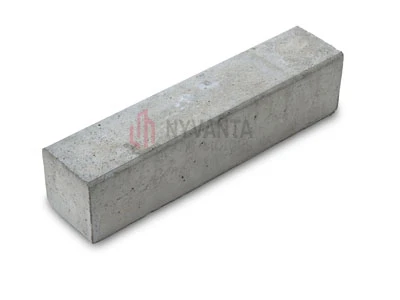
Concrete is the most common type overall and holds up well to fire. It can spall and split when moisture gets in, and horizontal cracks give water a path to the reinforcement inside.
Stone
Stone lintels are heavy, harder to install, and pricier than most. They also show up on older and landmarked buildings, where matching the original material matters. Water can corrode them, and they can crack or bend under pressure.
Brick
A brick lintel suits small openings under about 3 feet and lighter loads. Steel reinforcement lets brick handle wider spans.
Timber
Wood is traditional but the weakest choice. It is prone to rot, insects, and fire, which is why it is often paired with steel plates.
What Drives the Price Up in NYC
A few factors explain why a $460 national average turns into thousands here:
Access and height: Upper-floor work needs scaffolding or lifts, and that cost lands on every opening.
Shoring: The wall has to be supported while the old lintel comes out, and wider openings need more of it.
Wall condition: Cracked brick, failed mortar, and water damage add masonry work around the new beam.
Span and load: A longer opening or a heavier wall means a bigger, costlier lintel.
Engineering and filing: Plans, special inspections, and permits sit on top of construction.
Landmark status: Matching historic materials can raise both material and labor costs.
NYC Permit Requirements for Lintel Replacement
When a DOB Permit Applies
Under 1 RCNY 101-14, the Department of Buildings (DOB) lists repair or replacement of relieving angles and lintels as facade work that requires a permit. Replacing steel structural members, including lintels over windows, also triggers a permit once the masonry work passes certain limits: 10 square feet and 4 feet horizontally in any 100 square feet of wall. DOB says corroded or damaged lintels are facade work for specially licensed contractors, and permits go to those license holders.
Who Files and What Inspections Follow
Because lintel work goes beyond the exemptions, the owner must hire a registered design professional to prepare and submit plans before a general contractor starts. The owner usually engages a special inspection agency too, per DOB's facade requirements for design professionals, and the contractor cannot hire the special inspector. A final inspection is required before DOB issues a letter of completion. If you add a new lintel to an already approved scope, expect a post-approval amendment.
Emergency Work
If a lintel is an immediate danger, licensed contractors may stabilize it before getting a permit. The work has to be submitted within two business days of starting, with a description of the emergency and the steps taken.
Landmarked Buildings
Properties that are landmarks or sit in historic districts need Landmarks Preservation Commission (LPC) approval before facade work. LPC favors repairing historic materials in kind, so matching an original stone lintel can shape both your plan and budget. Not sure of your status? Call 311 and ask for the LPC.
Facade Inspection and Safety Program (FISP)
Buildings taller than six stories need a facade inspection every five years under FISP. If an inspector finds an unsafe condition, the owner must install public protection such as a sidewalk shed right away and complete repairs within 90 days, unless DOB grants an extension. Failing to correct an unsafe condition carries a $1,000 penalty, according to DOB's facade filing guide. Checking your lintels before inspection season saves money and stress.
Signs a Lintel Is Failing
Lintels fail quietly, then all at once. Watch for cracks above windows and doors, especially stair-step cracks in the brick, plus rust stains or flaking metal, sagging masonry, and windows or doors that suddenly stick. Wood lintels show rot or insect damage instead. If you spot any of these, call an engineer or licensed contractor early. Small repairs stay small.
Repair or Replace? What to Choose
Not every sagging lintel needs to come out. Minor cracks or slight sagging can sometimes be handled with steel reinforcement plates or brackets, which keeps the bill closer to the low end. Severe corrosion, cracks through the lintel itself, or lost load-bearing capacity usually call for full replacement. Either way, the wall above has to be supported while the work happens, so this is not a job for a handyman. A licensed contractor and an engineer can tell you which route fits, and they will quote each approach separately.
How to Budget Your Project
Start with an engineer's assessment, since it tells you whether you are looking at one lintel or several. Then ask for itemized quotes that separate the lintel, masonry repair, scaffolding, engineering, and permits. Hidden damage is common once brick comes off, so leave some breathing room in your budget rather than planning to the last dollar.
Get a Clear Lintel Estimate from NY Vanta Contractors
Lintel repair costs depend on the extent of the damage, the condition of the existing material, and the work needed to repair the surrounding masonry. NY Vanta Contractors can inspect your openings and explain whether you need a repair or full replacement, and give you a written, itemized estimate that accounts for engineering and permits. Contact us today to schedule your lintel assessment.
Licensed NYC Concrete Contractor
Need Our services?