-
1573 Carroll St, Brooklyn, NY 11213
Concrete Surface Repair: Fixing Cracks, Spalling & Surface Wear
Aug 25, 2026
Concrete surfaces rarely fail all at once. Cracks, wear, and surface damage show up on sidewalks, driveways, and steps long before the slab underneath is in real trouble, and fixing that damage early is almost always cheaper than waiting until it forces a full slab replacement.
Here are the common types of surface damage you'll see in NYC, what causes them, and what to expect when you bring in a professional to fix it.
Common Types of Concrete Surface Damage
Spalling
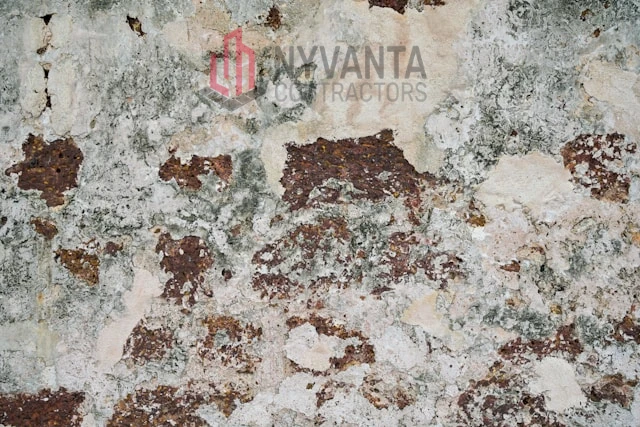
Spalling is chunks of the top layer of concrete breaking off, leaving a pitted, irregular surface. The pieces that come loose are usually bigger than what you'd see with other types of damage, and spalling can expose the coarse aggregate mixed into the concrete.
Scaling
Scaling looks similar to spalling, but the flakes coming off are thin and uniform, usually 1/16 to 1/8 inch deep. Think of it like peeling a thin layer of paper off the concrete.
Pitting
Pitting shows up as small circular holes across the surface, usually 1/8 to 1/4 inch across. It's mostly a cosmetic issue and rarely affects the slab's structure.
Popouts
Popouts are small, cone-shaped cavities on the surface. They're usually caused by a piece of aggregate in the original concrete mix absorbing moisture, then expanding when it freezes and forcing a chip out.
Hairline Cracks
Hairline cracks are fine fissures that haven't widened into a structural problem yet. Left alone, they let moisture into the concrete and speed up every other type of damage on this list.
Not every one of these is serious on its own, but knowing which one you're looking at determines how it should be fixed.
Causes of Concrete Surface Damage in NYC
New York's weather and road conditions are hard on concrete surfaces for a few specific reasons.
Freeze-Thaw Cycles
During winter, water enters tiny pores and cracks in the concrete, freezes, and then expands, exerting internal pressure on the surface. This continuous expansion and contraction over multiple cycles gradually breaks down the surface layer, leading to spalling, scaling, and pitting.
Road Salt and Deicing Agents
Salt draws more moisture into the concrete and dramatically increases the rate at which freeze-thaw damage occurs. This explains why damage is often most severe along curbsides, driveways, and steps where salt is applied most liberally in NYC.
Faulty Concrete Finish or Curing
Poorly finished and cured concrete may have a weak surface layer that will wear or delaminate long before the underlying slab shows any sign of trouble.
Other Factors
Regular foot and vehicle traffic wears down the surface over time too, and so does ordinary exposure to sun, rain, and age.
When Surface Repair Is the Right Call
Not all damaged concrete needs a complete rip-out and pour. Surface repair is usually the right call when:
- Damage remains less than 1/4 inch deep
- Wear is localized instead of spread evenly across the whole slab
- The concrete underneath is sound enough for new material to bond to it
- There's no exposed or deteriorating rebar underneath the damaged section
When Full Replacement Makes More Sense
Full replacement is generally the better option when:
- The concrete is spalled across a wide area
- Rebar reinforcement is visible and rusting
- The sub-base has failed, or the slab itself is moving or sinking
One of our team can usually tell which situation you're dealing with in a single site visit.
How Concrete Surface Repair Is Performed
While individual jobs may vary, the professional concrete surface repair process typically follows these main steps:
- Assessment: The contractor identifies the type of damage (spalling, scaling, pitting, or cracking), how deep it goes, and whether the concrete underneath is sound enough to support repairs.
- Cleaning and Preparation: The deteriorated concrete is fully removed, and the surface is cleaned of dust, dirt, and loose material. Proper prep is what lets the new patching material bond securely, and it's the most common cause of a patch job failing early.
- Patching or Resurfacing: Isolated spalls and scaling patches usually get a repair material applied directly. For damage spread across a wider area, a resurfacing overlay, a thin polymer-modified layer bonded to the existing concrete, creates an even, fresh surface.
- Crack Routing and Sealing: Hairline cracks are widened slightly along the crack line, cleaned out, and filled with a flexible sealant that keeps moisture out.
- Curing and Sealing: Once the patching or resurfacing material has cured, a penetrating sealer goes on to block moisture and deicing salt going forward. This step matters most in the NYC climate, where freeze-thaw cycles do the most damage.
Why This Isn't Just a Cosmetic Fix
Past a certain point, surface damage stops being cosmetic. Cracks and spalls deep enough to become trip hazards can put you in violation of NYC's sidewalk defect laws, which turns a maintenance job into a compliance problem.
Water is the other issue. Once it gets past the surface layer, it keeps breaking the concrete down from the inside, and a repair that would have cost a few hundred dollars can turn into a full slab replacement if it sits too long.
Cost of Concrete Surface Repair
Cost depends on the size of the area, the type of damage, and whether the fix is a simple patch or a full resurfacing overlay. Small, localized patches are the cheapest option. Larger resurfacing jobs cost more, but they're still well below the price of replacing the whole slab. The only way to get an accurate number is an on-site look, since the repair method itself changes the cost.
DIY Concrete Repair Vs. Professional
DIY concrete patching kits are easy to find at home improvement stores, and they can work fine for minor spots that don't see traffic. For driveways, sidewalks, and steps, professional repairs generally hold up longer. The main difference is preparation and materials.
Contractors typically dig out more of the degraded concrete than a DIY job would and use bonding agents and repair mixes built to handle heavier traffic and weather.
That matters because a patch that fails before it even reaches winter is money down the drain.
Choosing a Concrete Surface Repair Contractor
Getting the repair right the first time costs less than fixing a failed patch later.
NY Vanta Contractors handles concrete repair across Brooklyn, the Bronx, Manhattan, and Queens, including sidewalks, driveways, steps, and other concrete structures. We'll diagnose the damage, walk you through the repair options with no pressure to upsell, and handle any permits the job requires.
If you're seeing spalling, scaling, cracking, or any other surface wear on your sidewalk, driveway, or steps, get a free estimate before it gets worse. Call NY Vanta Contractors at (718) 593-4048 for a free consultation.
Common Questions and Answers
What's the difference between spalling and scaling?
Spalling is deeper and less regular than scaling, and it can expose stones or aggregate in the concrete. Scaling is more superficial: the surface bubbles or flakes off in thin layers.
Can concrete repairs actually keep me from having to replace the whole slab?
Often, yes. Repairing surface damage before it spreads across a large part of the slab keeps the concrete structurally sound and avoids a full replacement.
How many years will a concrete repair to the surface of my sidewalk or driveway last?
A well done repair with the proper surface materials on a healthy substrate can last 10+ years. The longevity will vary based on prep work, material, sealing, and usage.
Do concrete surface repairs require a permit?
Most routine repairs do not require a permit, however, more involved repairs or any work done because of an open DOT violation requires one. Your contractor can identify which apply to your job.
Is concrete surface repair the same thing as concrete slab leveling?
Surface repairs address superficial damage to the top level of the concrete, whereas slab leveling is performed to correct issues of the concrete sinking or becoming out of plane. They are distinct issues with different solutions.
Licensed NYC Concrete Contractor
Need Our services?